

If your neck aches by mid-afternoon on your work-from-home days, your set-up is a likely culprit. Kitchen benches, couches and laptops balanced on cushions were never designed for eight-hour days. The good news is that a few small changes can make a big difference.

1. Raise your screen to eye level
When your screen is too low, your head drifts forward and down. Every centimetre forward adds pressure to the muscles and joints at the back of your neck. Aim for the top third of the screen to sit at eye level. A monitor riser, laptop stand or a stack of books all work.
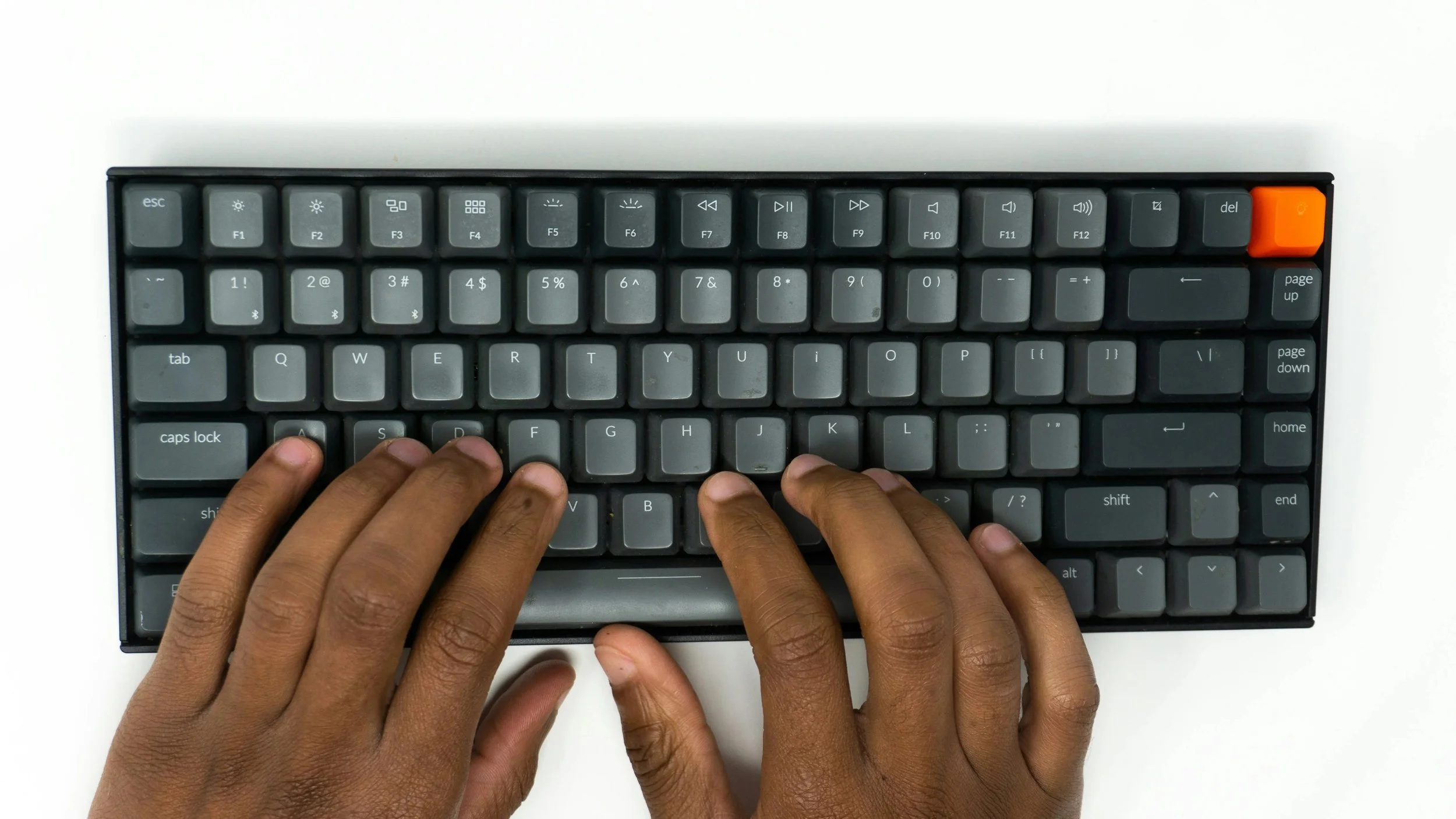
2. Use a separate keyboard and mouse with a laptop
A laptop forces a trade-off: either the screen is at the right height or the keyboard is, never both. A cheap external keyboard and mouse let you raise the laptop screen to eye level while keeping your hands at elbow height. Your shoulders can then relax instead of hunching (which contributes to the pressure in your neck).
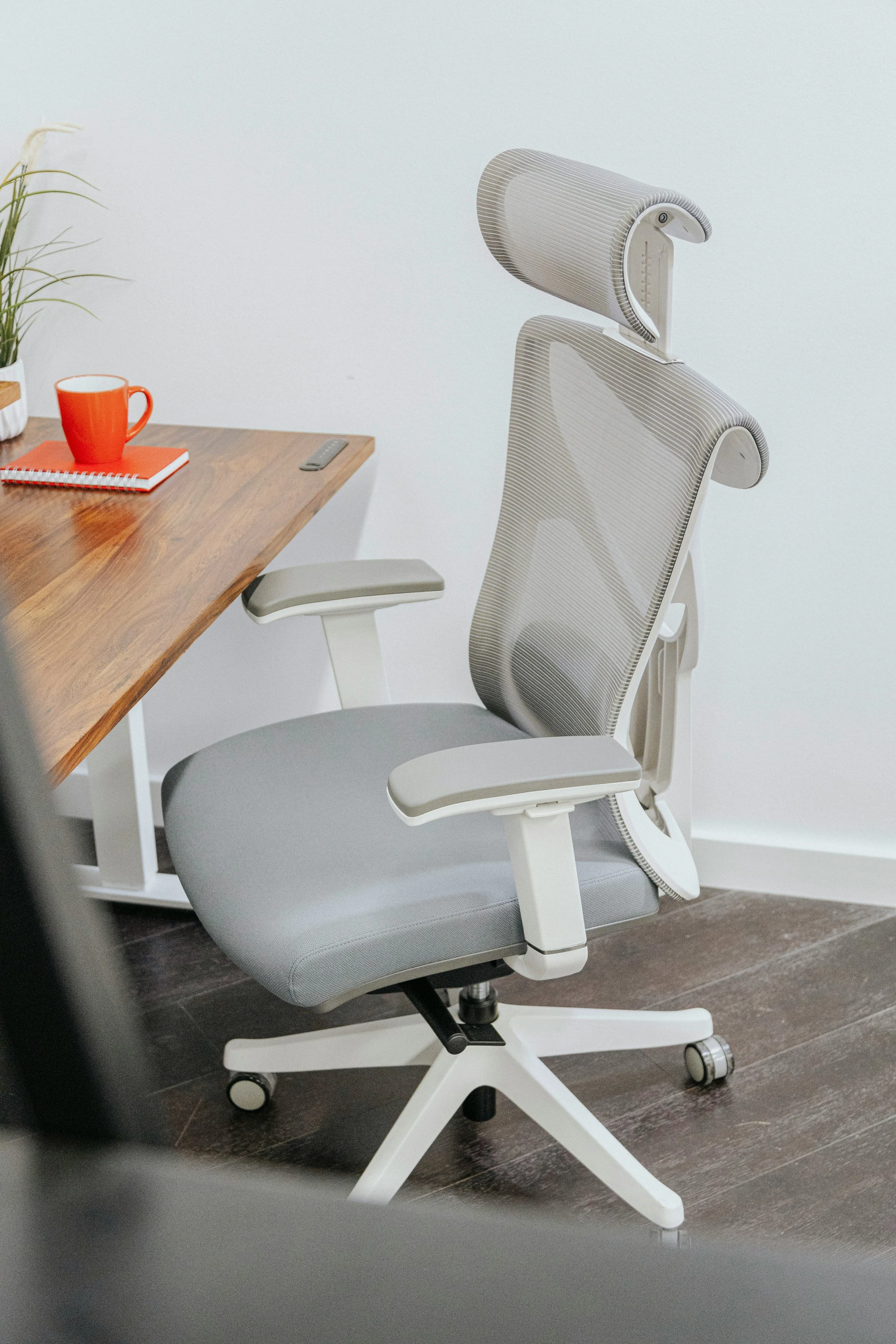
3. Sit back in a chair that supports you
Sit with your hips at the back of the chair and feet flat on the floor or a footrest. Place a small cushion or rolled towel behind your lower back, this helps you stay upright without effort. If you work from a dining chair, this one change is often the biggest win.

4. Bring things closer
Reaching for your mouse, leaning towards the screen or squinting at small text all force your head forward. Move the screen to about an arm's length away, keep the mouse beside the keyboard and increase the font size if you need to.
5. Move every 30 to 45 minutes
No posture is perfect if you hold it all day. Set a reminder to stand up, roll your shoulders and look away from the screen. Take calls standing or walking. Try two easy stretches:
Open Books: squeeze your shoulder blades back and down. Hold for 5 seconds, repeat 10 times.
Chin tucks: gently draw your chin straight back, as if making a double chin. Hold for 5 seconds, repeat 10 times.
Stretches not easing it after a week or two? Book in with one of our physios for a proper assessment.

When to see a physio
Book in if your neck pain has lasted more than a few days, keeps coming back, or comes with headaches. See your GP or a physio promptly if you have pain, pins and needles or weakness running down your arm.
Our physio’s can assess what's driving your pain, provide hands-on relief and give you exercises that suit your work day. We can also talk through your home workstation set-up and identify areas that can be changed.