
Why You Keep Feeling Tight Even After Stretching
You stretch.
You roll.
You may even do yoga or use a massage gun.
And yet… your body still feels tight.
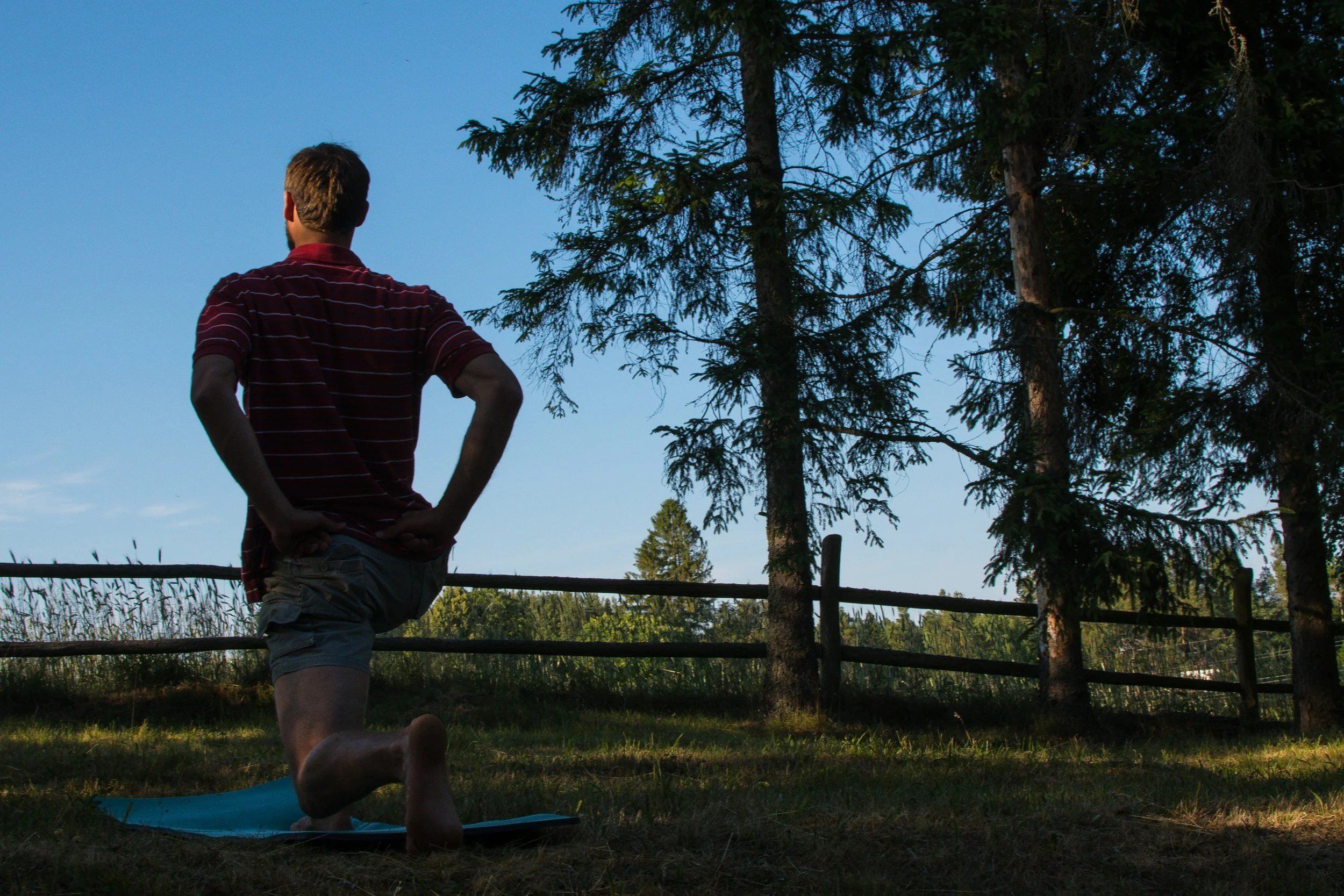
Neck tight again by mid-afternoon.
Hips feel stiff after sitting.
Hamstrings never quite “loosen up.”
If that sounds familiar, you’re not alone - and it usually isn’t because you “need more stretching”.
At Fieldwork Health, this is something we see every day in clinic.
And the frustrating part for people is this: they’re doing all the right things, but still not getting long-term relief.
So let’s break down what’s actually going on.
First things first - tight doesn’t always mean short
This is the biggest misconception we see.
When something feels tight, most people assume:
“I just need to stretch it more.”
But tight muscles are often doing one of these things instead:
-
because something else isn’t pulling its weight
-
because your body feels unstabletion text goes here
-
From posture, training, or stress
-
Simply fatigued, not “short”

So yes - stretching might give short-term relief…
but it often doesn’t fix the reason it’s happening in the first place.
Why this keeps happening (especially with desk work)

If you sit for long periods, your body adapts to that position.
Not just while you’re sitting - but afterwards too.
That can show up as:
Tight hips that never feel open
Lower back stiffness when you stand up
Neck and shoulder tension by the end of the day
Feeling “stuck” even after you’ve stretched
And here’s the key point:
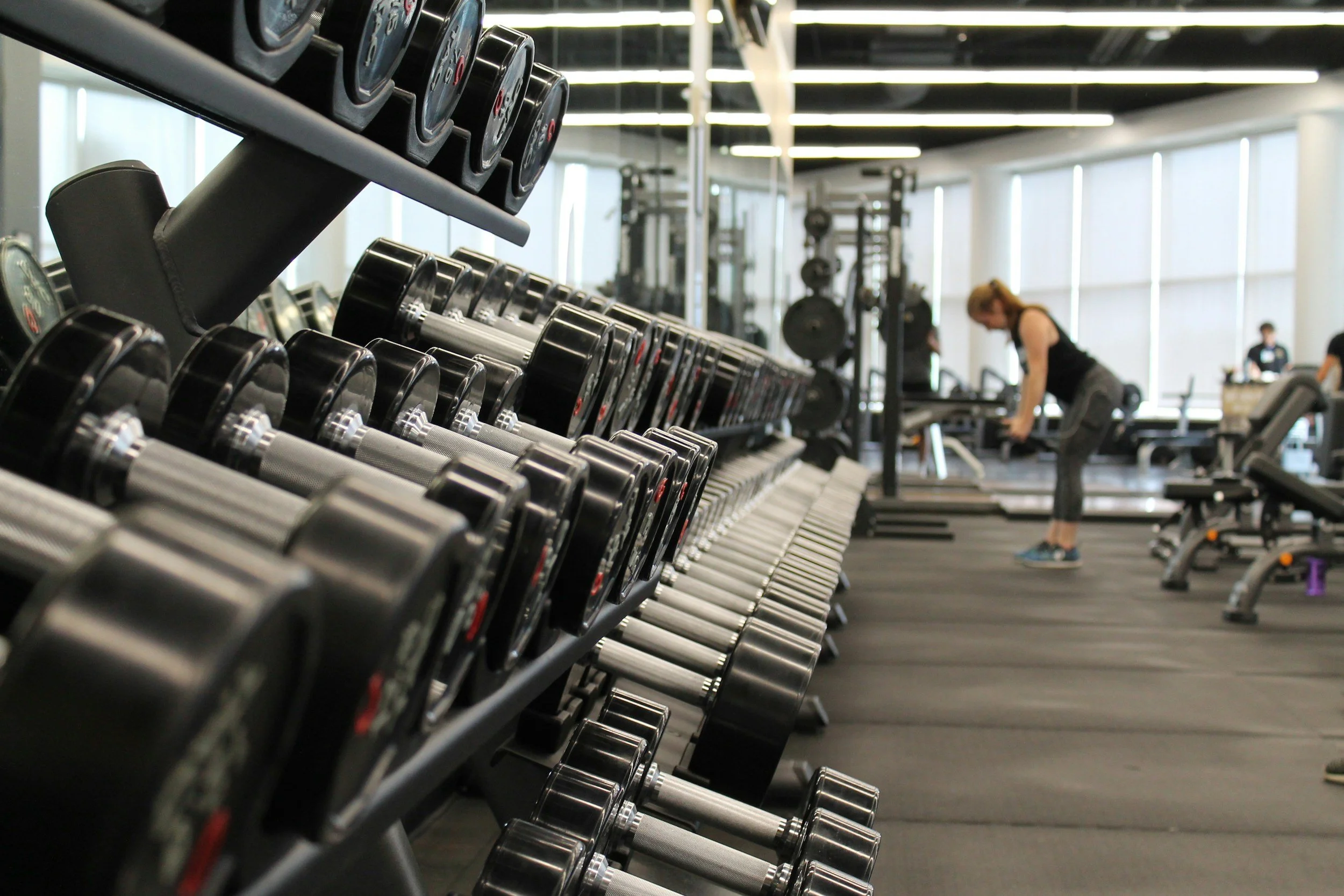
Even if you train at the gym for 1 hour, it doesn’t automatically undo 8+ hours of sitting. Your body adapts to what you do most.
So why doesn’t stretching fix it
?
So why doesn’t stretching fix it ?
Stretching helps mobility - If a muscle is tight because it’s: only temporarily if the underlying issue is still there.

If a muscle is tight because it’s:
Weak
Overworking
Compensating
Or guardating a joint or nerve
That’s why people say things like: “It feels good for 10 minutes, then it’s back again.”
What actually works (this is where physio changes things)

This is where we shift away from just “loosening things up” and start asking:
Why is your body tightening in the first place?
At Fieldwork Health, we look at things like:
how you move
what’s weak or overworking
how your posture loads certain areas
whether past injuries are still influencing you
Because the real fix usually isn’t more stretching - it’s restoring balance.
What Fieldwork Health treatment usually involves
Depending on what we find, your plan might include:
-
To reduce muscle tension, improve joint movement, and get things moving properly again.
-
To help calm down overactive muscles and improve recovery.text goes here
-
Because this is often the missing piece building capacity so your body doesn’t keep compensating.
-
Small adjustments in how you sit, train, and move during the day.
We build a plan that actually matches what your body needs.

A simple way to think about it
If stretching alone worked, most people wouldn’t keep coming in with the same tight spots.
So we look at it like this:
Stretching = short-term relief
Strength + movement change = long-term change
Physio + massage = resets the system so your body can actually adapt
Final thought
If you feel like you’re constantly tight no matter what you do: stretching isn’t failing you.
It’s just not the full solution.
Once we understand why your body is holding tension, that’s when things actually start to change.
Book in with Fieldwork Health Today