
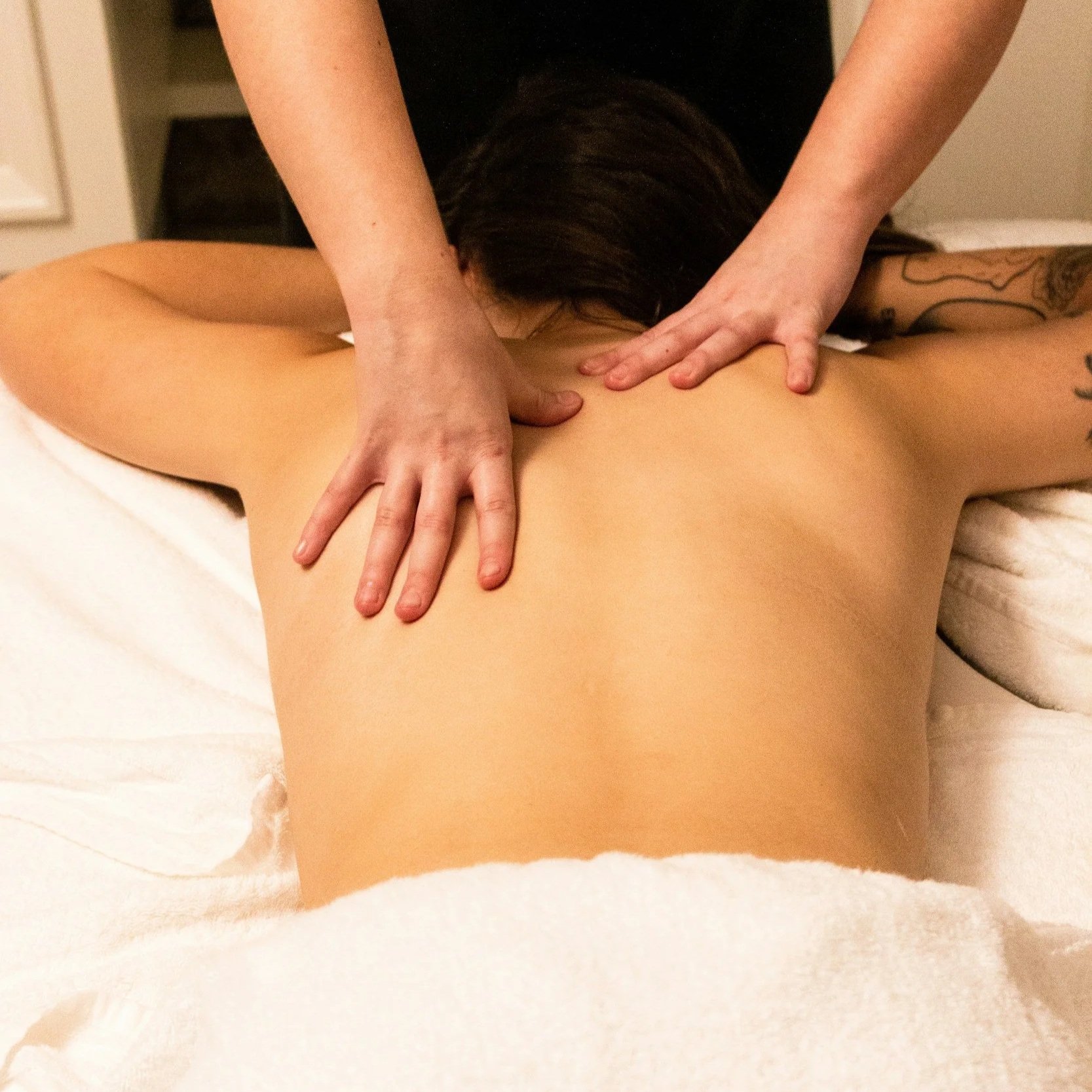
Remedial massage isn't a day-spa treatment. It's a targeted, hands-on therapy aimed at a specific problem, such as a tight lower back, sore shoulders or calves that are cranky after running. If you've never had one, here's what to expect.
Already know you need one? Book a remedial massage with Giada online.
Before you arrive
Wear or bring comfortable clothing. Arrive a few minutes early if it's your first visit so you can fill in a short health form. Let us know about any injuries, medical conditions, medications or pregnancy, as these can change how we treat you.

A quick chat and assessment
Your therapist will start by asking what's bothering you, how long it's been there and what makes it better or worse. They may run some clinical tests, check your posture or feel for tight and tender areas. This helps them focus the session on what you actually need, rather than a general rub-down.
The treatment
You'll lie on a massage table and only the area being treated is uncovered. Towels keep you covered and warm the rest of the time. Depending on your problem, your therapist may use:
• Deep tissue massage to work into tight, overloaded muscles
• Trigger point therapy to release tender knots that refer pain elsewhere
• Myofascial release with slow, sustained pressure
• Stretching to restore range of motion
Remedial massage can feel firm, and some spots may be tender. It should never be more than you can comfortably breathe through. Speak up at any time if you want more or less pressure. Your therapist will check in, but you're always in control.
Tight back, shoulders or calves? Book your session online and claim on the spot with HICAPS.

Afterwards
It's normal to feel a little sore for a day or two, much like after a workout. Drink some water, keep moving gently and avoid heavy training straight after. Your therapist may give you a stretch or two to do at home and suggest when to come back, if needed.
Can I claim it on my health fund?
Many private health funds cover remedial massage under extras when it's provided by a registered provider. Check your level of cover with your fund before booking. We have HICAPS at the clinic, so bring your health fund card and you can claim on the spot and pay only the gap.
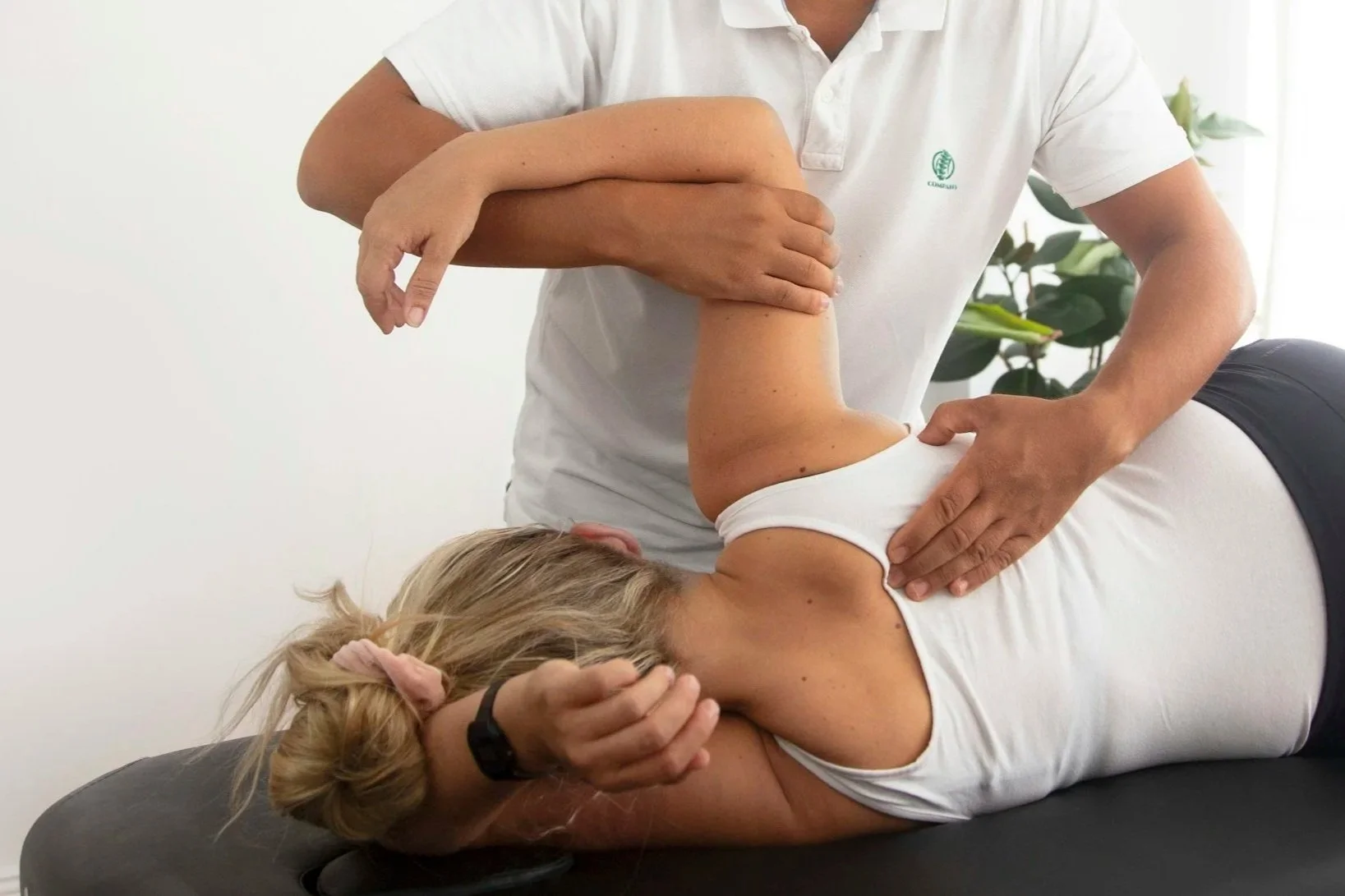
Massage and physio together
Because FieldWork Health has physiotherapy and remedial massage under one roof, our team can work together. Your physio might suggest massage to support your rehab, and Giada, our remedial massage therapist, can refer you to a physio if something needs a closer look.